Recognize the problem
Traffic, aircraft, or late-night conversations sound almost as loud with the windows closed as they do outside.
Clarify what is included
Discuss acoustic laminated glass, dissimilar-thickness glass panes, insulated glass spacer, compression gaskets, backer rod, acoustic perimeter sealant, compatible window frame. Separate proposed replacement parts from materials, equipment used during the visit and any report you will receive. Confirm compatibility for proposed parts.
The proposed work
Describe the sound, when it occurs and which openings are affected. Ask how the provider will assess the sound paths and explain the proposed glazing or window change, including its limits and compatibility with retained components. Request product evidence for any claimed acoustic performance and keep perimeter or surrounding-construction work explicit in the quote.
Parts of the conversation
- acoustic laminated glass
- dissimilar-thickness glass panes
- insulated glass spacer
- compression gaskets
- backer rod
- acoustic perimeter sealant
- compatible window frame
Condition, compatibility and the proposed method need to be checked before work begins.
TAKE A CLOSER LOOK
Understand the moving parts.
Around your home
Familiar spaces. Thoughtful care.
KNOW WHAT YOU ARE AGREEING TO
Before you approve the work.
The component being changed +
Glass-only, hardware-only and complete-frame work involve different materials and labor. Compare proposals for the same work.
Access and concealed condition +
Opening size, access, finishes and damage discovered during removal can change the work. Agree how any change will be documented.
The complete proposal +
Clarify removal, disposal, weatherproofing, finish restoration and completion checks before comparing totals.
Questions from the homeowner’s side.
What does noise-reduction window glazing involve?
Describe the sound, when it occurs and which openings are affected. Ask how the provider will assess the sound paths and explain the proposed glazing or window change, including its limits and compatibility with retained components. Request product evidence for any claimed acoustic performance and keep perimeter or surrounding-construction work explicit in the quote.
What should the proposal say about parts, materials and equipment?
Discuss acoustic laminated glass, dissimilar-thickness glass panes, insulated glass spacer, compression gaskets, backer rod, acoustic perimeter sealant, compatible window frame. Ask the provider to distinguish existing parts to inspect, proposed replacements, and tools, materials or reports included in the service. Request a reason for any replacement and confirm compatibility with your equipment. A list of possible items does not mean that every item must be supplied or replaced.
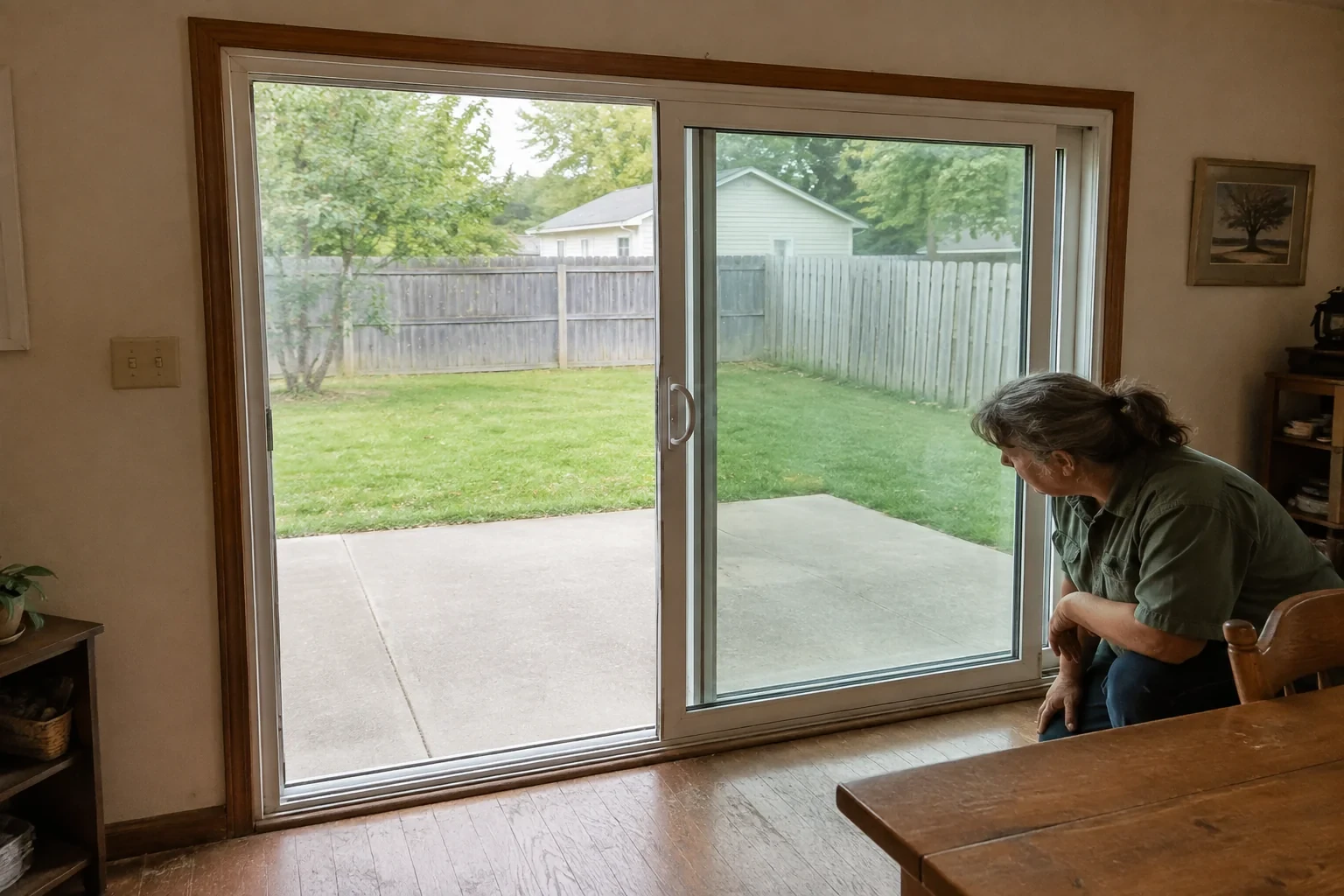
Can a difficult sliding door be repaired without replacing the frame?
A sticking panel can involve rollers, track damage, alignment or worn seals. Ask which condition was observed and whether compatible parts are available. A sound frame may remain in place for a targeted repair; deterioration at the sill or frame can change that scope. Compare the actual findings before choosing a complete replacement.
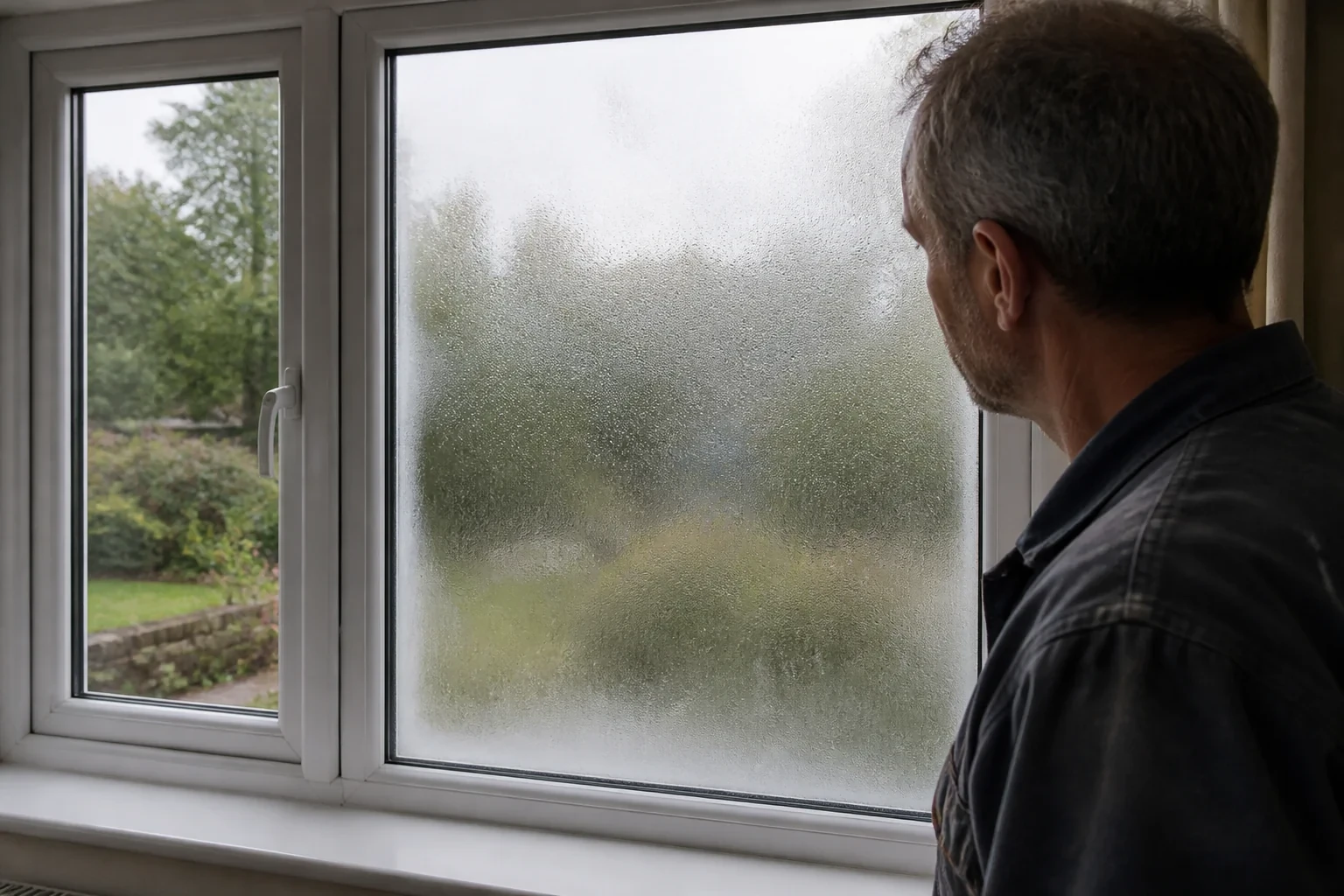
Does fog between panes mean the whole window needs replacement?
Moisture between the panes is different from condensation on a room-facing surface. A proposal may replace the sealed glass unit while retaining a suitable sash and frame. Ask which component has failed, how the replacement glass is specified and whether the existing frame can support the work.
How do insert and full-frame window replacement differ?
An insert retains a suitable existing frame and places a replacement unit within it. Full-frame work removes more of the assembly and exposes the opening for assessment. Compare retained materials, flashing work, trim restoration and the resulting clear opening rather than treating both proposals as the same job.
What should I compare on a window performance label?
Compare the ratings for the complete product and its suitability for the local climate and project. U-factor and solar heat gain coefficient describe different aspects of performance. Ask which specified unit the label describes; a generic brochure does not establish the rating of the product being supplied.
What information helps prepare a door or window visit?
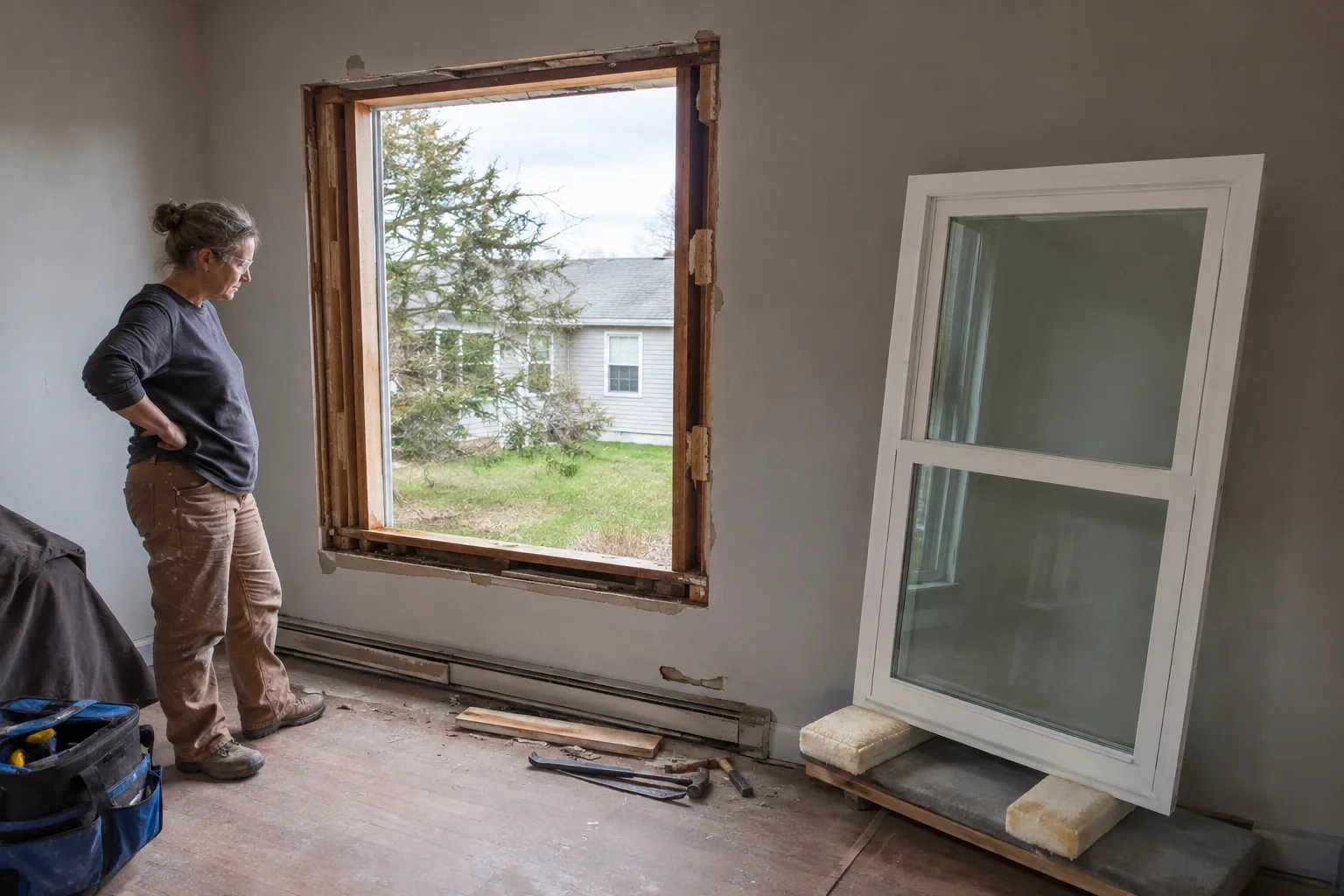
Describe the opening, how it moves and what changed. Note whether a concern is with glass, the moving panel, hardware or the surrounding wall. If available, gather product labels, earlier invoices and photographs taken without dismantling the assembly. Explain access restrictions and keep people away from broken glass.
What should the written scope include?
Ask which units and components are included, what remains in place, how access and removal are handled, and who restores affected finishes. Confirm product specifications, disposal, weatherproofing and completion checks. Any concealed damage discovered during the work needs an explained change to the agreed scope.
Will acoustic glazing make the room soundproof?
Do not treat a glazing change as a promise of silence. Andersen describes windows as reducing sound rather than eliminating it. Ask the assessment to identify the noise source, affected openings and other sound paths, then explain the expected benefit and limits of the proposed work.
Why does a quote show both STC and OITC sound ratings?
They are different measures. Andersen identifies OITC, or Outdoor-Indoor Transmission Class, with exterior sources such as traffic and aircraft; STC means Sound Transmission Class. Ask which measure addresses your complaint and compare alternatives using the same rating. Do not treat an STC number as an interchangeable OITC result.
Does a glass rating describe the performance of the complete replacement window?
Ask what was tested: glass alone or the identified window assembly with its selected glass option. Andersen’s published 100 Series report separates product types and glazing configurations and includes entries marked not tested. Match the supporting report to the quoted configuration; a nearby product’s result does not fill an evidence gap.
Is triple-pane automatically the best choice for reducing noise?
Pane count alone is not enough to choose. Andersen’s published acoustic table shows different results by product and glass construction, including options with panes of different thicknesses. Ask for the tested ratings of the actual alternatives and confirmation that the chosen assembly fits the replacement scope. A laboratory rating is not a measured outcome in your room.
References for these answers
Andersen: sound reduction and rating terminology ↗
Andersen: 100 Series product and glass-option acoustic test results ↗